What coastal conditions actually do to window furnishings
Salt-laden air corrodes untreated metal fittings over time, and the stronger, more consistent UV exposure near open water fades fabric faster than the same fabric would fade further inland. Wind is the other factor, outdoor products especially need to be rated for it, not just sized to fit.
Indoors: fabric and hardware that hold up
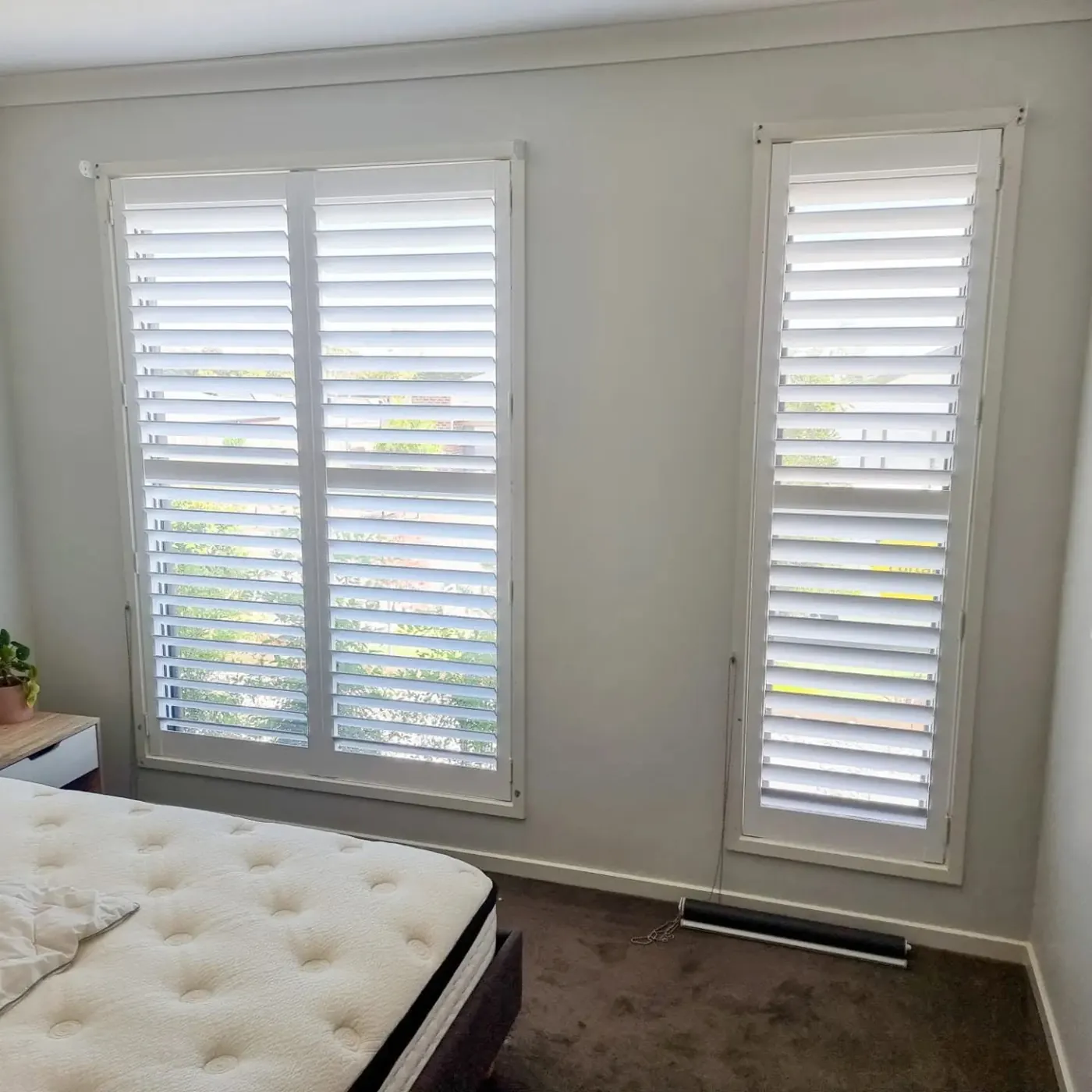
For fabric blinds, a solution-dyed acrylic or a quality polyester blend resists fading far better than cheaper printed fabrics, worth asking about specifically if you’re close to the water. PVC plantation shutters are a strong coastal option too, they don’t warp or discolour the way some timbers can with humidity changes, and they need essentially no maintenance beyond a wipe down.
Outdoors: wind rating matters more than looks
For alfresco areas exposed to the bay or open coastline, check the wind rating on any outdoor screen or awning before anything else, a product that looks identical to another can have a very different wind rating underneath. Aluminium components with a marine-grade or powder-coated finish resist salt corrosion far better than standard coatings over a few years of coastal exposure.
Roller shutters near the coast
Roller shutters are a genuinely good fit for exposed coastal windows, aluminium slats with the right coating shrug off salt air well, and the wind and weather sealing they provide is a real benefit on an exposed elevation, not just a security add-on.
Our approach for coastal properties
On a free measure and quote for anything along the Bellarine, Surf Coast, or Geelong’s bayside suburbs, we’ll specifically flag which fabrics, finishes and wind ratings suit the exposure your particular windows get, it varies more from one side of a house to the other than people expect. Book a free measure and quote and we’ll walk it with you.