Why shutters read differently to buyers than blinds or curtains
Most window furnishings are treated by buyers and agents as personal taste, something the new owner will probably replace anyway. Plantation shutters are different. Because they’re a permanent, built-in fixture rather than a soft furnishing, they get valued more like joinery than decor, closer to how buyers think about a good kitchen bench or built-in wardrobes.
That’s not marketing spin, it’s simply how they’re installed: fitted directly to the window frame or reveal, not hung on a track that comes down with the old owner’s belongings.
What actually makes the difference at inspection
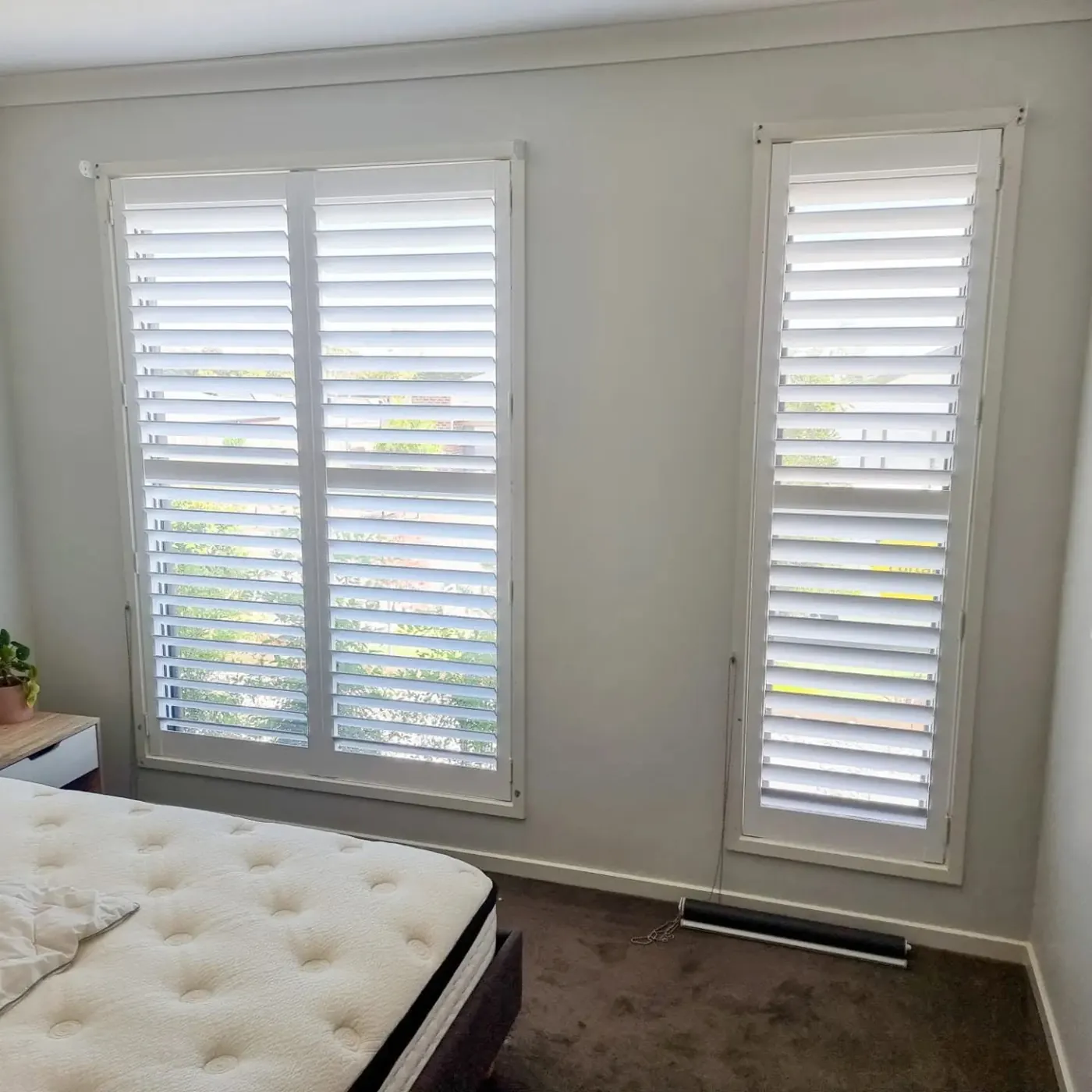
A run of matching plantation shutters through a living area or main bedroom presents as finished and considered, especially compared to a mismatched mix of old blinds and curtains room to room, which is one of the more common things we see in homes going to market around Geelong.
Timber and PVC shutters also hold up visibly better than fabric options in listing photos and open-for-inspection walkthroughs, no sun-faded fabric, no bent slats, no dated pattern doing the home any favours.
Where it’s worth prioritising if you’re on a budget
If a full-house shutter upgrade isn’t realistic before listing, focus on the rooms buyers spend the most time in during an inspection: the main living area and the master bedroom. Kitchens and bathrooms matter less for this specific decision since roller blinds are still the norm and expected there.
If you’re not selling, they’re still worth it
Even if a sale isn’t on the horizon, shutters are worth considering simply because they last. Solid timber or PVC construction handles daily use for decades with minimal maintenance, unlike fabric options that fade or wear, so the “adds value” case holds up whether you’re preparing to sell in six months or just want something you won’t be replacing again in five years.